 Four-Faith IoT
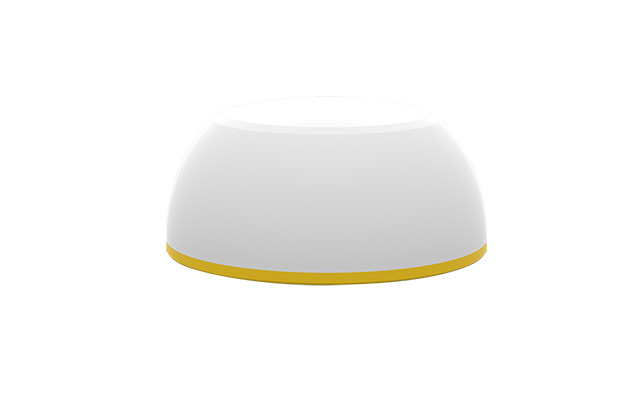
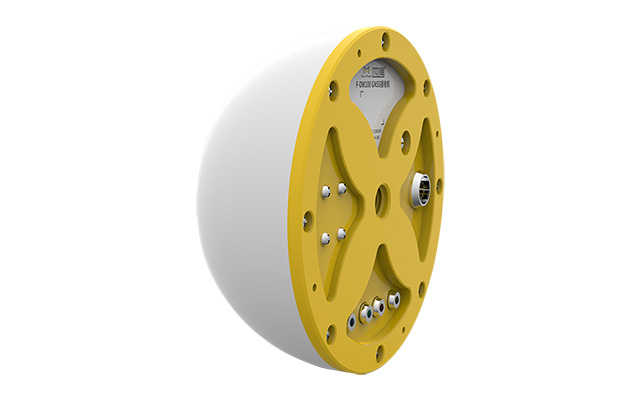
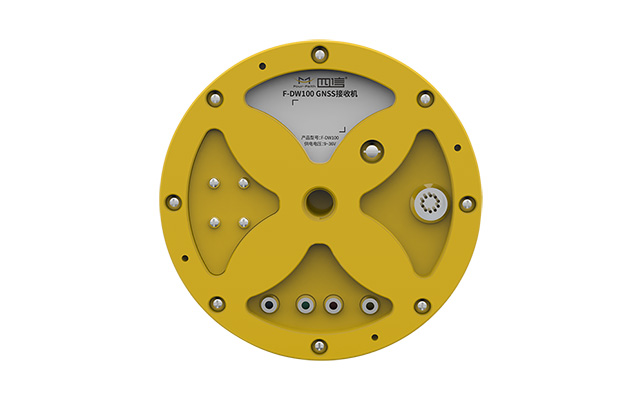

Simultaneous acquisition of high-precision horizontal/vertical displacement, inclination and acceleration; seamless switching between three processing modes: local RTK, static and cloud-based; automatic high-frequency sampling and audible/visual alerts triggered by MEMS out-of-limit conditions; scheduled sleep mode for power saving;Real-time battery voltage monitoring and self-diagnostic checks of the device’s status; 32 GB of local storage capacity, capable of storing three years of raw observation data at a 15-second sampling interval; Web-based local configuration, remote parameter deployment and remote firmware updates; networked processing via a base station and monitoring stations.
LoRa relay module, audible and visual alarm device, external high-capacity storage expansion module.
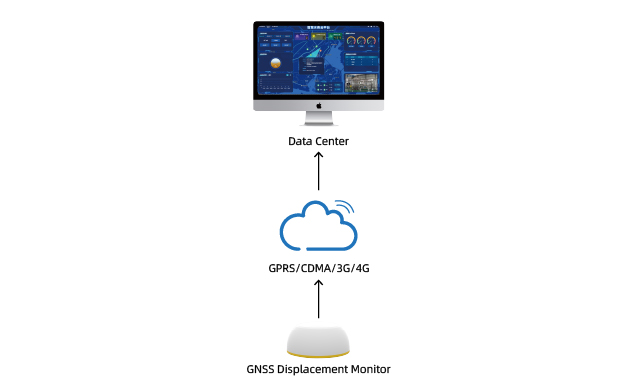
The F-DW100 is an integrated multi-satellite, multi-frequency GNSS ground displacement monitoring terminal. It combines GNSS positioning, MEMS attitude sensing, multi-link communication and high-capacity local storage. Equipped with a local RTK/static edge processing engine and a high-capacity backup battery, it can operate unattended for extended periods when paired with a compact solar power system.A single unit simultaneously outputs displacement, inclination and acceleration data, eliminating the need for separate, distributed equipment and significantly reducing operational and maintenance costs associated with hardware procurement for geological slope monitoring points and battery replacement during field inspections.
High-Precision GNSS: Multi-satellite, multi-frequency GNSS with built-in MEMS sensors ensures accurate displacement measurement for both dynamic and static monitoring.Edge Processing: Local data processing reduces cloud transmission and data usage, while enabling direct local anomaly alerts.Comprehensive Connectivity: Supports 4G, NB-IoT, Wi-Fi, LoRa, Ethernet, and serial ports for seamless integration with remote monitoring platforms.Low Power & Backup: Total power consumption ≤2W. Built-in 10,200mAh battery provides 24+ hours of backup and sustains 30 days of continuous operation under overcast conditions.Rugged Enclosure: IP68-rated magnesium-aluminium alloy housing withstands -40°C to +85°C, ensuring stability in harsh, high-humidity outdoor environments.Extensive Storage: On-board storage expandable up to 512 GB prevents raw data loss during long-term offline operation.Smart Management: Linux-based system enables web-based visual debugging, comprehensive remote management, and built-in self-diagnostics.Easy Installation: Standardized 5/8-inch threaded mount is compatible with concrete piers and steel structures for convenient field deployment.
No stilling well required, drastically cutting civil construction costs for river & reservoir monitoring; suitable for complex terrain sites.
| Measurement parameters | Surface horizontal/vertical displacement, inclination, acceleration | Displacement accuracy | Horizontal 2.5 mm + 0.5 ppm; Vertical 5 mm + 0.5 ppm |
|---|---|---|---|
| Processing modes | Local RTK and static processing, cloud-based background processing, dynamically adjustable sampling frequency | Built-in sensors | MEMS three-axis attitude sensor |
| Processor | Clock speed ≥ 1 GHz, RAM ≥ 512 MB | Local storage | Standard 32 GB, expandable up to 512 GB; capable of storing 3 years’ worth of data at a 15-second sampling rate |
| Communication interfaces | 4G/NB-IoT/Wi-Fi/LoRa/RJ45/RS485/RS232 | Power supply | DC 9–24 V, total power consumption ≤2 W; built-in 10,200 mAh lithium battery, battery life ≥24 hours |
| Protection rating | IP68, magnesium-aluminium alloy housing | Operating temperature and humidity | –40 to +85 °C, 99% humidity (non-condensing) |
| Storage temperature | –40 to +90 °C | Mean Time Between Failures (MTBF) | ≥35,000 hours |
| Installation specifications | Standard 5/8-inch imperial threaded rod, suitable for concrete or steel observation piers |
Automated displacement monitoring of landslides, excavation slopes, dam embankments, tailings ponds, bridge structures, tunnel surrounding rock and steep slopes
A The unit consumes merely 2 W total power. Matched with the dedicated solar power supply system, it keeps running continuously for 30 straight cloudy and rainy days. Equipped with an internal backup battery, the device can work standalone for more than 24 hours after power failure.
A It monitors inclination and acceleration in real time. Should displacement or deformation exceed thresholds, it automatically increases sampling frequency and triggers local audible and visual alarms, enabling the early detection of potential geological deformation hazards.
A The system supports local edge RTK processing, with raw data stored locally in high-capacity storage. Records are not lost during network outages, and historical data can be fully retrieved once communication is restored.
Send your project parameters, our engineers reply within 24 hours.
Get Free Quote