 Four-Faith IoT
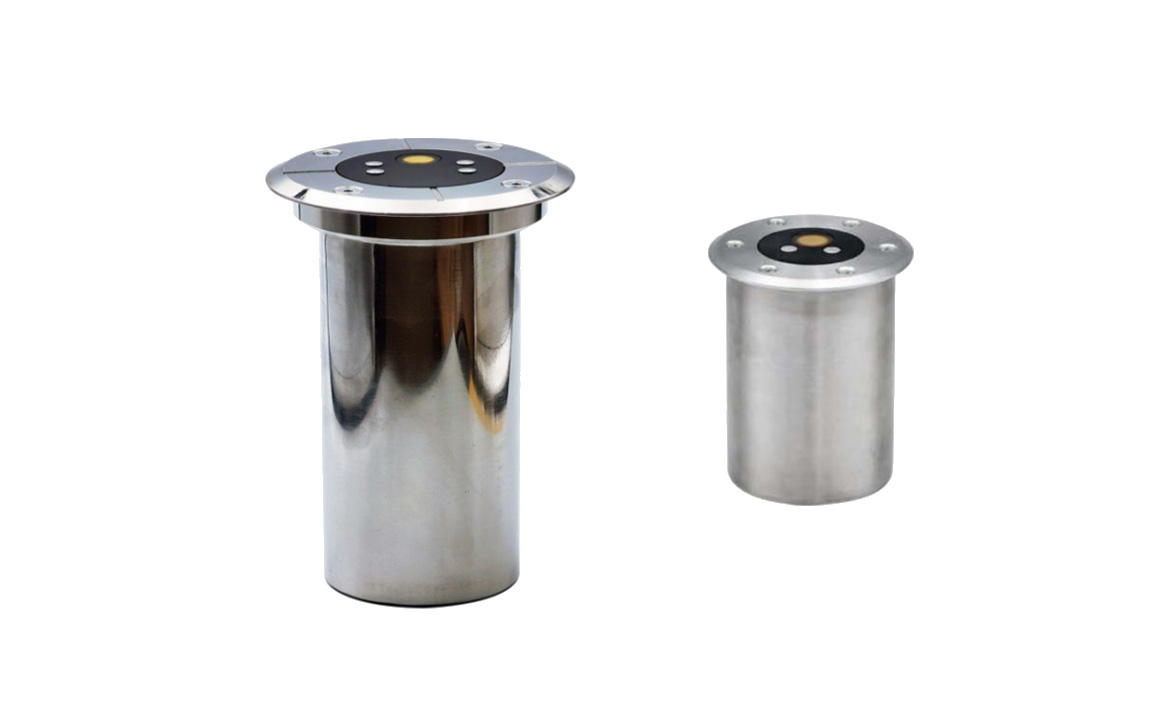
Dual-mode automatic switching (conductivity standby + ultrasonic precision water depth measurement); simultaneous collection of water level, temperature, water conductivity and wireless signal strength; sediment penetration detection; scheduled status reports; data caching during network outages with resumption of transmission from the point of interruption upon connection restoration; remote OTA firmware updates; remote reading and writing of all device parameters; built-in real-time monitoring of local battery charge level.
No built-in expansion modules; can be used in conjunction with a LoRa gateway and cloud monitoring platform.
The F-DM100 is an integrated, underground water accumulation monitoring device utilising a dual-mode detection architecture combining ultrasonic and conductivity sensors,a stainless steel IP68 integrated underground housing, a built-in high-capacity lithium-thionyl chloride battery and a LoRa wireless transmission unit. It operates at low power consumption throughout, automatically collecting data on road surface water levels, ambient temperature and humidity, and electrical conductivity, and transmits this wirelessly to the platform. The concealed underground installation does not disrupt the urban landscape, whilst the exceptionally long battery life significantly reduces the frequency of road excavation and battery replacement, thereby lowering the long-term operational and maintenance costs of urban flooding monitoring.
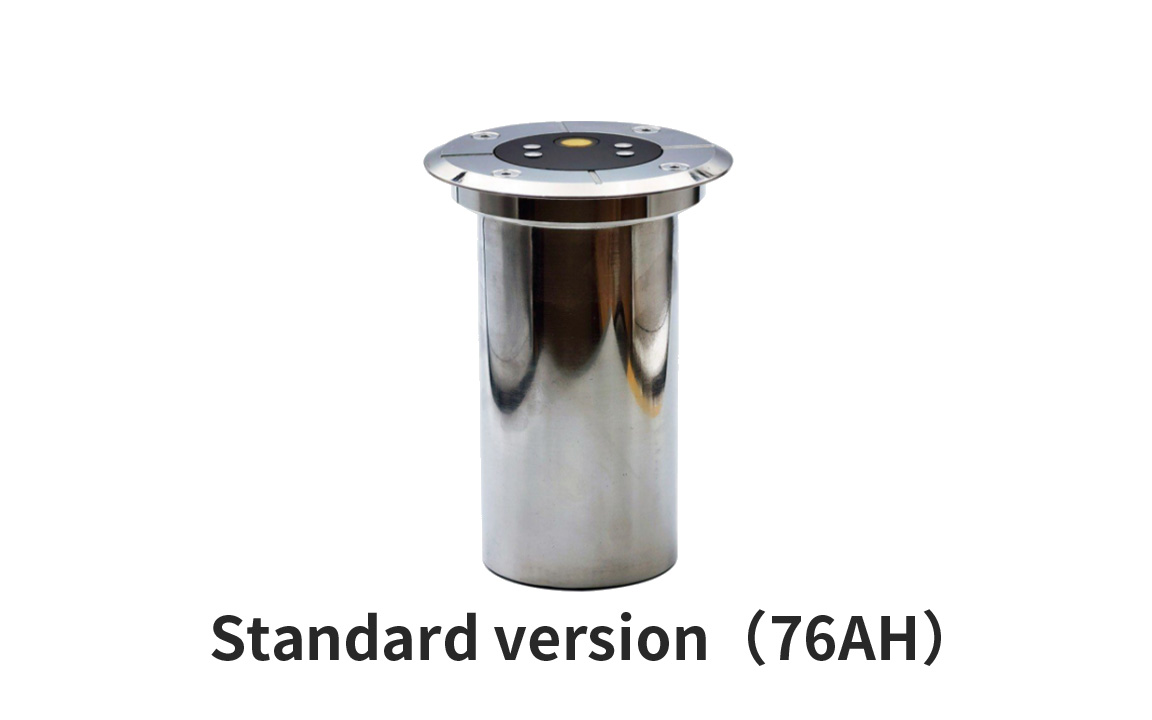
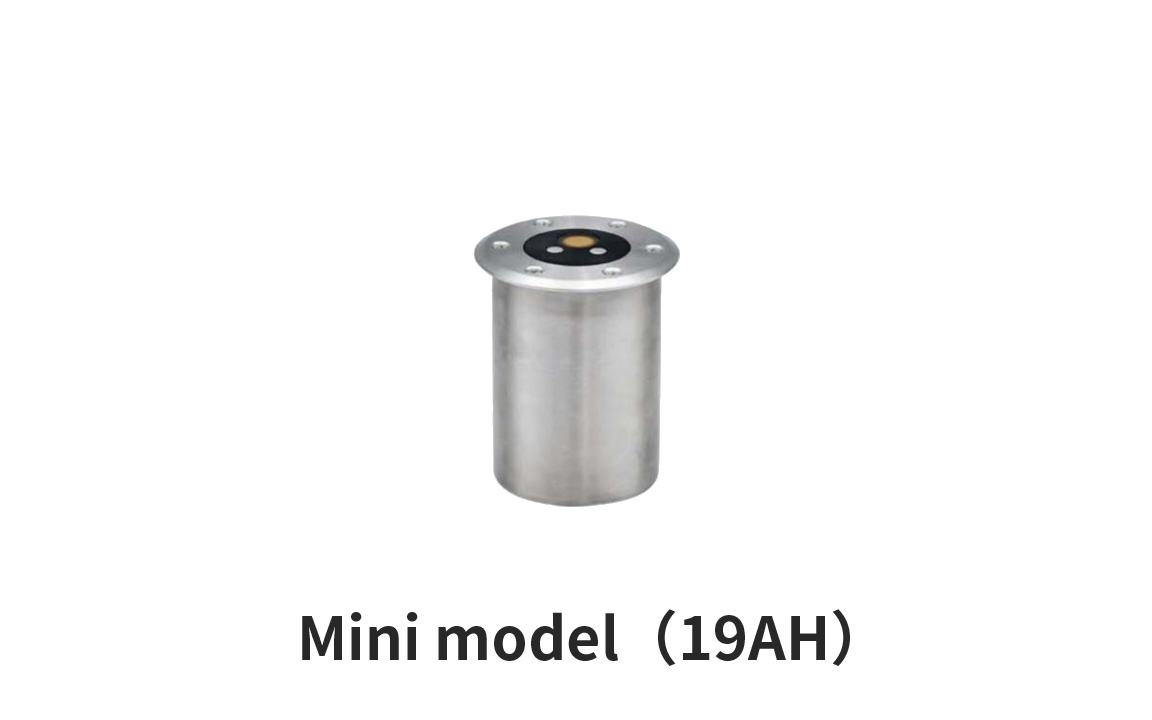
This concealed, underground stainless steel sensor sits flush with the road surface, ensuring no disruption to urban aesthetics or traffic flow. It features a dual-sensor intelligent power-saving algorithm that switches between low-power standby and high-precision ultrasonic measurement upon detecting water. Available in mini and standard dual-battery versions, it achieves a battery life of up to 10 years without water, significantly reducing maintenance costs. The IP68-rated, pressure-resistant housing is designed for long-term submersion and harsh road conditions, while a built-in sediment recognition algorithm ensures accurate readings even with light mud or debris coverage. It includes an integrated LoRa antenna with resume-on-break functionality to guarantee data integrity. Requiring no external cabling or power supply, it allows for highly efficient installation via simple road drilling, and supports comprehensive remote O&M, enabling parameter adjustments and firmware upgrades without on-site excavation.

| Measurement parameters | Water depth, ambient temperature, water conductivity | Measuring range | 0–2 m |
|---|---|---|---|
| Measurement accuracy | 0.5% FS ± 1 mm | Resolution | 1 mm |
| Dead zone | ≤2 cm | Interface type | Built-in integrated LoRa antenna; no external connection ports |
| Communication method | LoRa wireless transmission; supports resume-on-break functionality | Power Supply and Power Consumption | Built-in 3.6V lithium-thionyl chloride battery (mini 19Ah / standard 76Ah) |
| Protection Rating | IP68 stainless steel pressure-resistant housing | Operating Temperature | -10°C to +70°C |
| Conductivity range | 0–400 μs/cm; accuracy: 1% FS; resolution: 1 μs/cm; |
Monitoring of urban underpasses, flyovers, low-lying roads, underground car parks and low-lying areas in scenic spots for urban flooding and water accumulation
A Check wiring, power supply voltage and serial communication parameters one by one, and make sure no duplicate Modbus addresses exist among all devices to avoid address conflict.
A If the fault persists after eliminating wiring and power supply issues, the internal sensing circuit is defective; send the device back to the factory for maintenance.
A Real-time vibration signals can verify whether inclination readings are disturbed by vibration, distinguish static deformation from instantaneous vibration, and improve the reliability of monitoring data.
Send your project parameters, our engineers reply within 24 hours.
Get Free Quote