 Four-Faith IoT
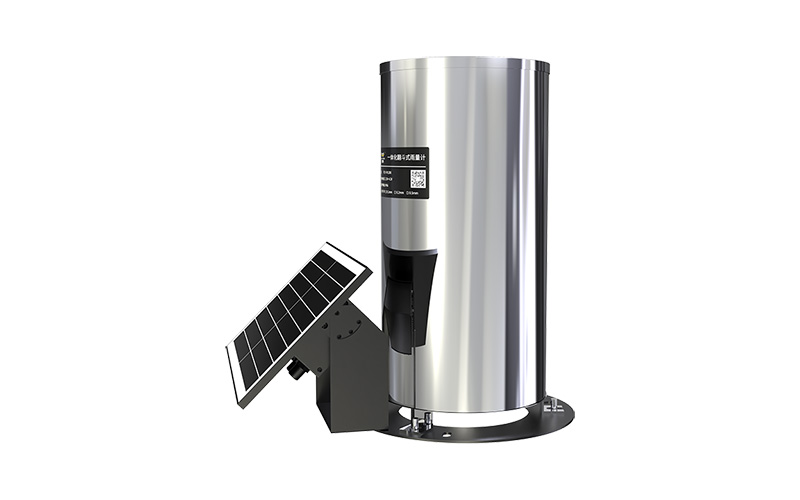
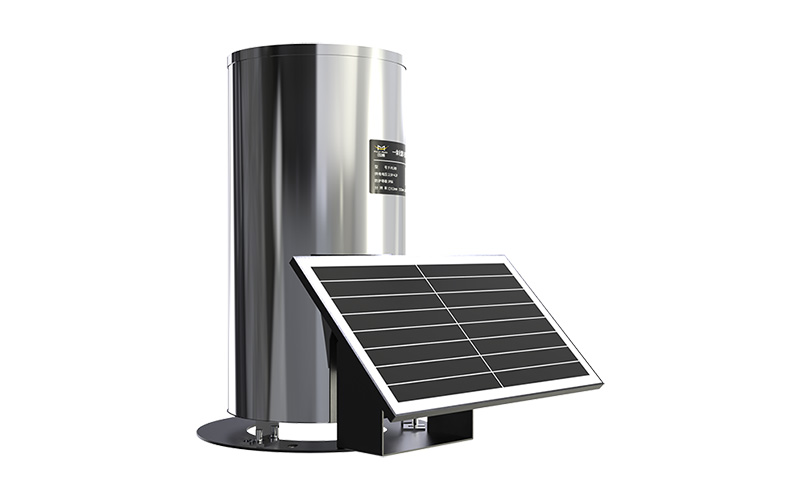
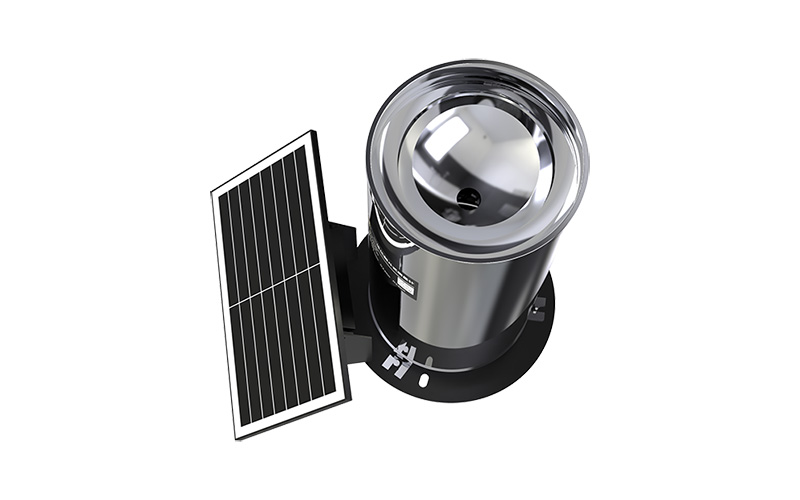
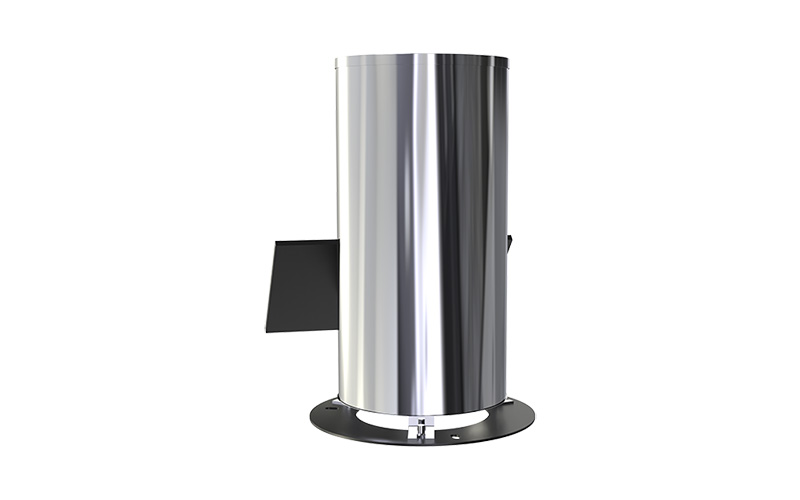
Precise accumulation of rainfall via tipping-bucket pulses; dual reporting modes: scheduled hourly reports and additional reports upon exceeding rainfall thresholds; real-time monitoring of device voltage and online status; 16MB local flash memory for data caching, with automatic resending upon network recovery;Visual parameter configuration via a local Bluetooth app or web interface; remote platform-initiated data retrieval, parameter modification and firmware updates; automatic hardware watchdog-triggered restart in the event of a fault; simultaneous reporting to multiple server groups.
LoRa self-organising network relay module, GPS positioning module, on-site audible and visual alarm accessories, extended solar photovoltaic panels.
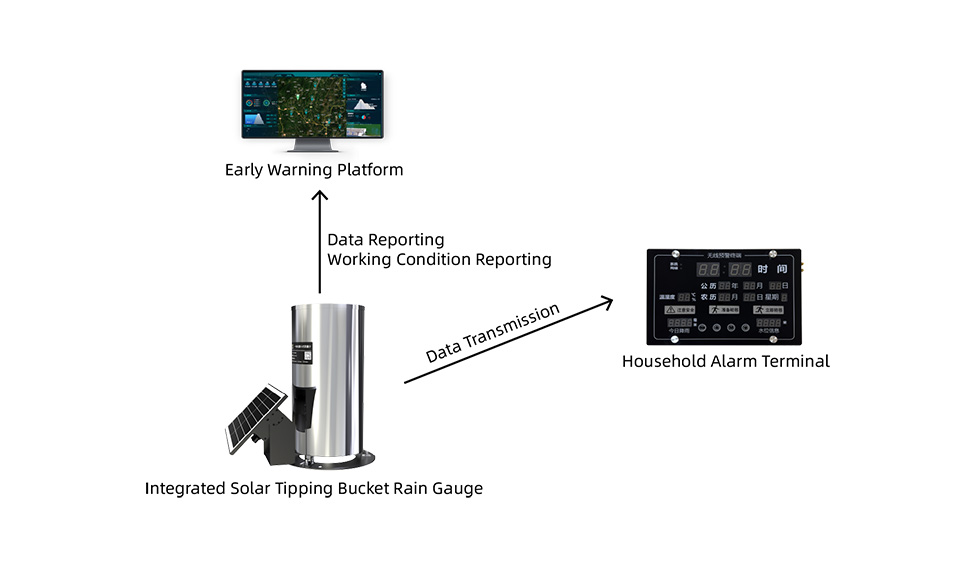
TThe F-IYL300 integrates a standard tipping-bucket rain gauge, a low-power control unit, wireless communication and a self-contained power supply unit. The all-in-one stainless steel housing eliminates the need for separate cabling. It features built-in local storage and a connection failure retransmission mechanism, and supports multiple transmission protocols including 4G/CAT1,LoRa and Bluetooth. It utilises a dual-power supply solution comprising a lithium battery and solar panels, eliminating the need for complex civil engineering works at field sites and significantly reducing the costs associated with construction materials, manual cabling and regular battery replacement for rainfall monitoring stations.
This all-in-one, factory pre-assembled unit integrates rainfall sensing, data transmission, and solar-lithium power for year-round operation without mains power, requiring only simple on-site leveling. It features a standard Φ200 inlet, three selectable resolutions, and an overall error of ≤±2%, complying with global hydrological monitoring standards. The system offers versatile connectivity via 4G, LoRa (1.5 km range), and Bluetooth, utilizing multi-level sleep mode to maintain a standby current of < 2 mA. Built with an IP66 stainless steel housing and operating from -20 to 60°C, it boasts an MTBF exceeding 30,000 hours and employs robust retransmission mechanisms to prevent data loss during network outages. Designed for global deployment, it includes a drawer-style SIM slot, standardized SMA antenna socket, and complete mounting base, seamlessly integrating with multi-language platforms for flood control, geological, and irrigation monitoring.
| Measurement parameters | Cumulative rainfall, device supply voltage | Rain gauge diameter | Φ200 mm |
|---|---|---|---|
| Rainfall resolution | Three selectable settings: 0.1/0.2/0.5 mm | Measurement error | ≤±2% |
| Permissible rainfall intensity | 0–4 mm/min, with a short-term maximum of 8 mm/min | Main controller | 32-bit industrial low-power processor |
| Local storage | 16MB SPI Flash | Communication | 4G CAT1 (compatible with all networks), LoRa ad-hoc network, Bluetooth 5.0 |
| Transmission range | LoRa – 1.5 km in open terrain | Power supply | Built-in 3.7V lithium battery, DC 2.8–4.2V, with accompanying solar panel |
| Power consumption | Standby 2mA, peak operating current 60mA | Protection rating | IP66 |
| Operating temperature and humidity | –20–60°C, relative humidity 95% (non-condensing) | Interfaces | Multiple SMA antenna ports, Micro SIM card slot, solar power input |
Flash flood early warning, geological hazard monitoring, reservoir and irrigation areas, urban flooding, forest fire prevention, automatic rainfall data collection at remote meteorological stations.
A First, check whether the spirit level bubble in the housing is centred and whether the rain collector and tipping bucket are blocked by leaves or silt; then verify the reporting and supplementary reporting parameter configurations, and confirm that the network and SIM card data allowance are functioning normally.
A The device relies on a built-in lithium battery supplemented by continuous charging via a solar panel, combined with a multi-stage sleep mode and low-power design. In the absence of prolonged heavy rainfall, the battery can last for years without replacement.
A The device caches all rainfall records locally and automatically resends data for the missing periods once the network is restored, ensuring complete retention of rainfall data for the entire cycle.
Send your project parameters, our engineers reply within 24 hours.
Get Free Quote