 Four-Faith IoT
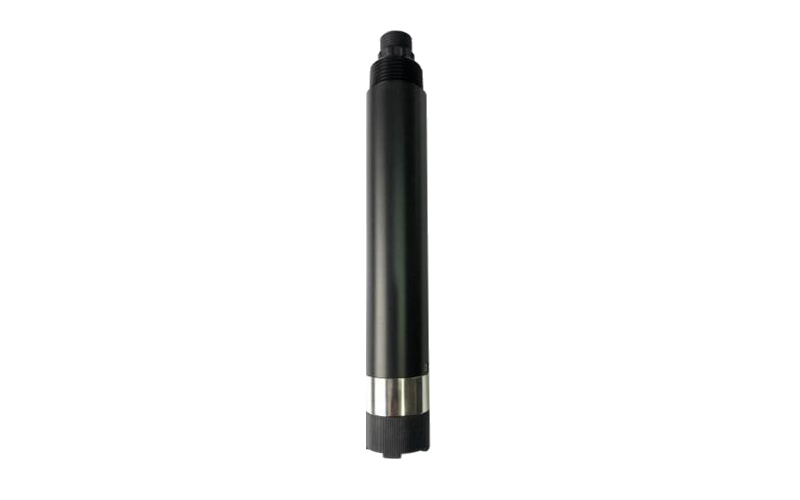
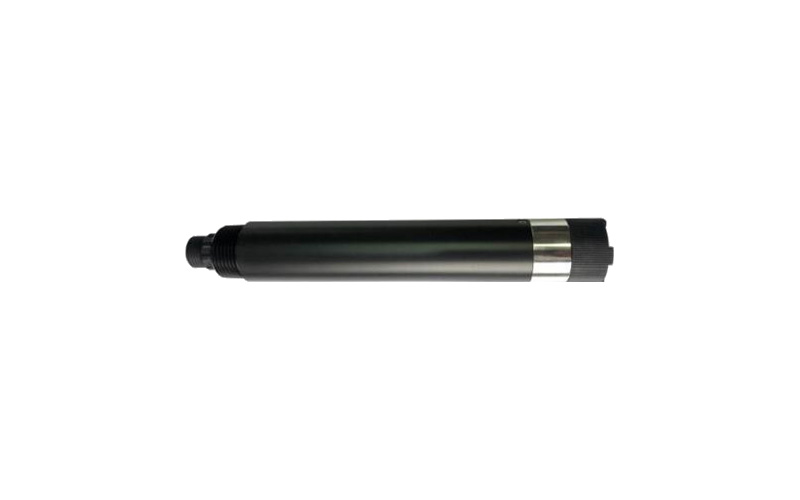
Fluorescence-based detection of dissolved oxygen concentration and oxygen saturation; simultaneous acquisition of water temperature, with support for custom salinity compensation; two-point zero/slope calibration; Modbus read/write of real-time DO, temperature and saturation data; ability to modify the device’s communication address and switch baud rates; remote configuration of water salinity parameters; T90 rapid response measurement.
No built-in expansion modules; the device’s accompanying cables can be customised to longer lengths as required.
The F-IWQ1502 utilises the fluorescence quenching method for optical detection, features a built-in Pt100 module for dual compensation of temperature and salinity, and incorporates an IP68 fully sealed submersible probe. It outputs dissolved oxygen, saturation and water temperature data via RS485 Modbus;It requires no electrolyte and is unaffected by water flow velocity; the inclusion of replaceable fluorescent membrane heads significantly reduces operational and maintenance costs associated with regular consumable replacement and repeated on-site calibration.
This optical fluorescence sensor requires no electrolyte, consumes no oxygen, and is unaffected by water flow rates. It features built-in automatic temperature and salinity compensation, and resists chemical interference (e.g., sulphides) to ensure minimal long-term drift and stable accuracy. Designed for low maintenance, it uses a replaceable fluorescent membrane head to reduce operating costs. The IP68-rated POM+PC and 316 stainless steel housing provides deep-water corrosion resistance and supports standard 3/4 NPT submersible installation. With a low 0.3W power draw, it is ideal for off-grid solar stations, and its standard Modbus RTU interface ensures universal compatibility with various data acquisition terminals and cloud platforms.
| Measurement parameters | Dissolved oxygen (DO), oxygen saturation and water temperature | DO range | 0–20.00 mg/L (0–200% saturation, referenced at 25 °C) |
|---|---|---|---|
| DO accuracy | ±2% | DO resolution | 0.01 mg/L |
| Lower detection limit | 0.08 mg/L | Temperature range | 0–50 °C; measurement accuracy ±0.3 °C; resolution 0.1 °C |
| Response time (T90) | <30s | Connector type | 4-core shielded twisted-pair M16 waterproof aviation connector |
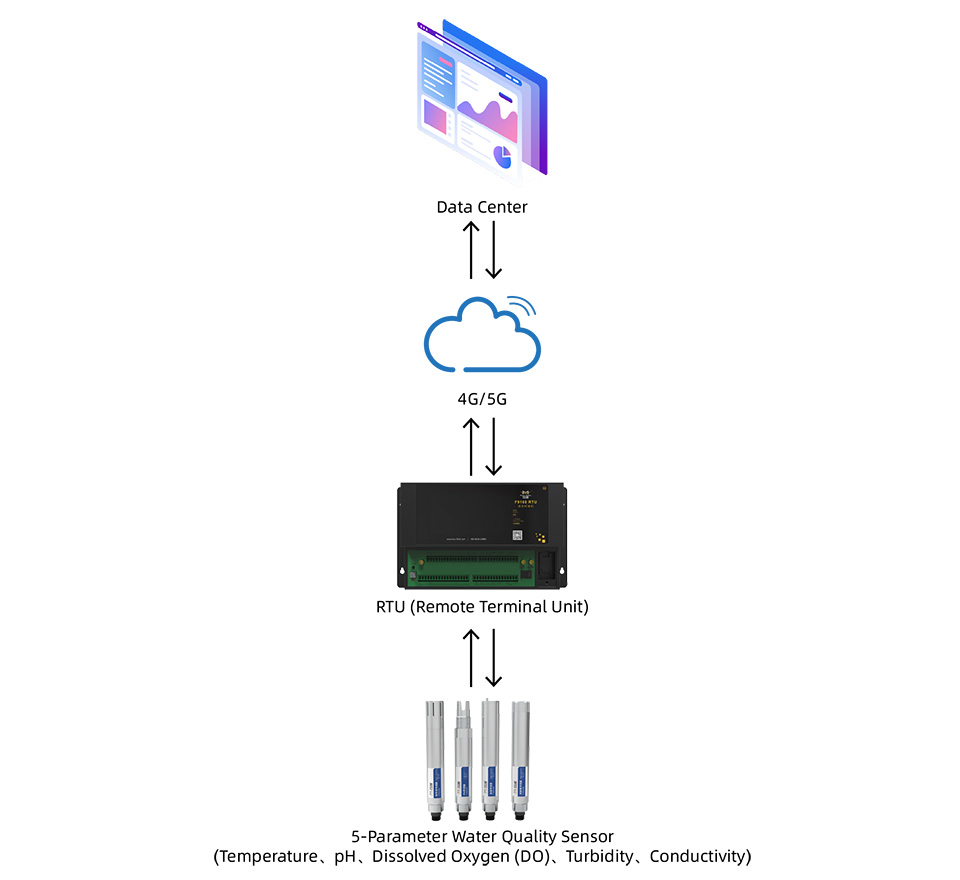
| Communication protocol | RS485 Modbus RTU, default 9600 8N1 | Power supply and power consumption | DC 12–24 V, total power consumption 0.3 W @ 12 V |
| Protection rating | IP68, pressure rating ≤ 0.2 MPa | Operating temperature | 0–50 °C; storage temperature: –5–65 °C |
Long-term online monitoring of dissolved oxygen in freshwater rivers and lakes, marine aquaculture, sewage treatment works, water treatment tanks, groundwater and piped water networks.
A The fluorescent membrane head may be dirty, loose or past its service life; first clean the surface of the membrane head and tighten it; if it has failed, simply replace it with a new fluorescent membrane head to restore accuracy.
A For freshwater, the default salinity is 0 and no adjustment is required; for seawater applications, enter the actual salinity value of the water body via the Modbus registers, and the device will automatically perform the salinity compensation calculation.
A 1. Prepare a 5% sodium sulphite solution in an oxygen-free environment to perform zero-point calibration; 2. Use aerated saturated distilled water or saturated air to perform slope calibration; for both steps, allow the system to stand for 3 minutes until the readings stabilise before executing the calibration command.
Send your project parameters, our engineers reply within 24 hours.
Get Free Quote